https://sputnikglobe.com/20251026/burevestnik-nuclear-cruise-missile-russias-absolute-deterrence-trump-card-1123017534.html
Burevestnik Nuclear Cruise Missile: Russia’s Absolute Deterrence Trump Card
Burevestnik Nuclear Cruise Missile: Russia’s Absolute Deterrence Trump Card
Sputnik International
A test has demonstrated the missile’s ability to evade enemy missile defense systems, Chief of General Staff Gerasimov has told President Putin. Here’s what makes Burevestnik a genuine strategic gamechanger.
2025-10-26T12:12+0000
2025-10-26T12:12+0000
2025-10-26T12:12+0000
military
military & intelligence
vladimir putin
valery gerasimov
russia
burevestnik
nato
poland
romania
aegis
https://cdn1.img.sputnikglobe.com/img/07e7/0a/06/1113988973_17:0:1372:762_1920x0_80_0_0_9be5b4b1f290f5af6914c4b56441e0d4.png
The defining feature of the 9M730 Burevestnik (Russian ‘Storm petrel’, NATO reporting name SSC-X-9 Skyfall) is its nuclear propulsion system. Its small onboard nuclear reactor gives it effectively an unlimited range.Unlimited range means:StealthSince it’s a cruise missile, the Burevestnik can hug the ground on approach at altitudes below enemy radar’s ability to detect, making interception challenging if not impossible.That’s because no traditional ballistic flight trajectory and no range limits means there’s no point where defenses can be deployed en masse to stop it.Strategic ResponseFirst unveiled by President Putin in 2018, the Burevestnik’s development began in the early 2000s in reaction to the US pullout from the 1972 Anti-Ballistic Missile Treaty, and Pentagon efforts to ring Russia with missile defense systems (Aegis, Aegis Ashore, including in Poland and Romania).The Burevestnik and other groundbreaking strategic Russian systems like it (Avangard HGV, Zircon naval hypersonic missile, Kinzhal air-launched missile, Poseidon unmanned submarine, Sarmat heavy ICBM) guarantee Russia’s ability to respond to aggression, even in an enemy decapitation strike scenario (like US Conventional Prompt Strike/Prompt Global Strike).
https://sputnikglobe.com/20251026/putin-tests-of-the-burevestnik-missile-have-been-completed-1123016677.html
https://sputnikglobe.com/20251002/russia-could-deploy-new-hypersonic-weapons-putin-1122902779.html
russia
poland
romania
Sputnik International
feedback@sputniknews.com
+74956456601
MIA „Rossiya Segodnya“
2025
Sputnik International
feedback@sputniknews.com
+74956456601
MIA „Rossiya Segodnya“
News
en_EN
Sputnik International
feedback@sputniknews.com
+74956456601
MIA „Rossiya Segodnya“
Sputnik International
feedback@sputniknews.com
+74956456601
MIA „Rossiya Segodnya“
what is russia's burevestnik cruise missile, how can russia's cruise missile have an unlimited range
what is russia's burevestnik cruise missile, how can russia's cruise missile have an unlimited range
Burevestnik Nuclear Cruise Missile: Russia’s Absolute Deterrence Trump Card
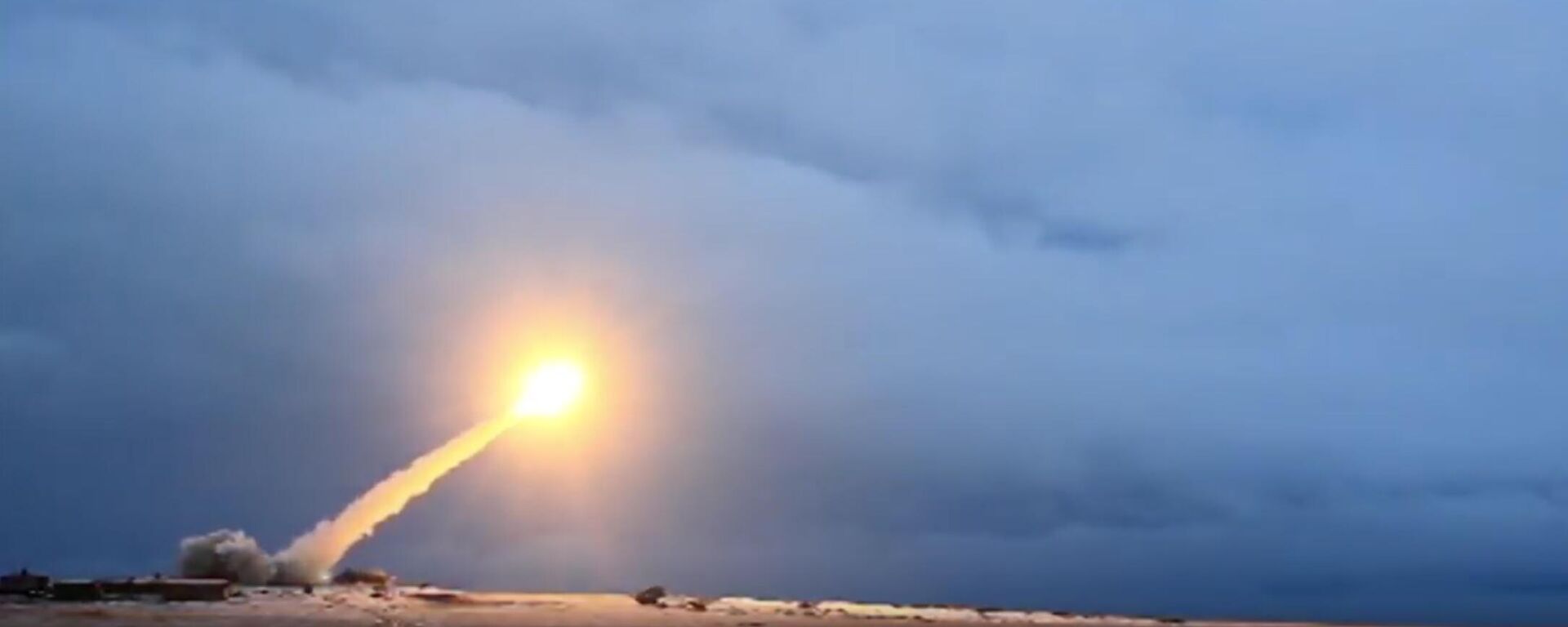
A test has demonstrated the missile’s ability to evade enemy missile defense systems, Chief of General Staff Gerasimov has told President Putin. Here’s what makes Burevestnik a genuine strategic gamechanger.
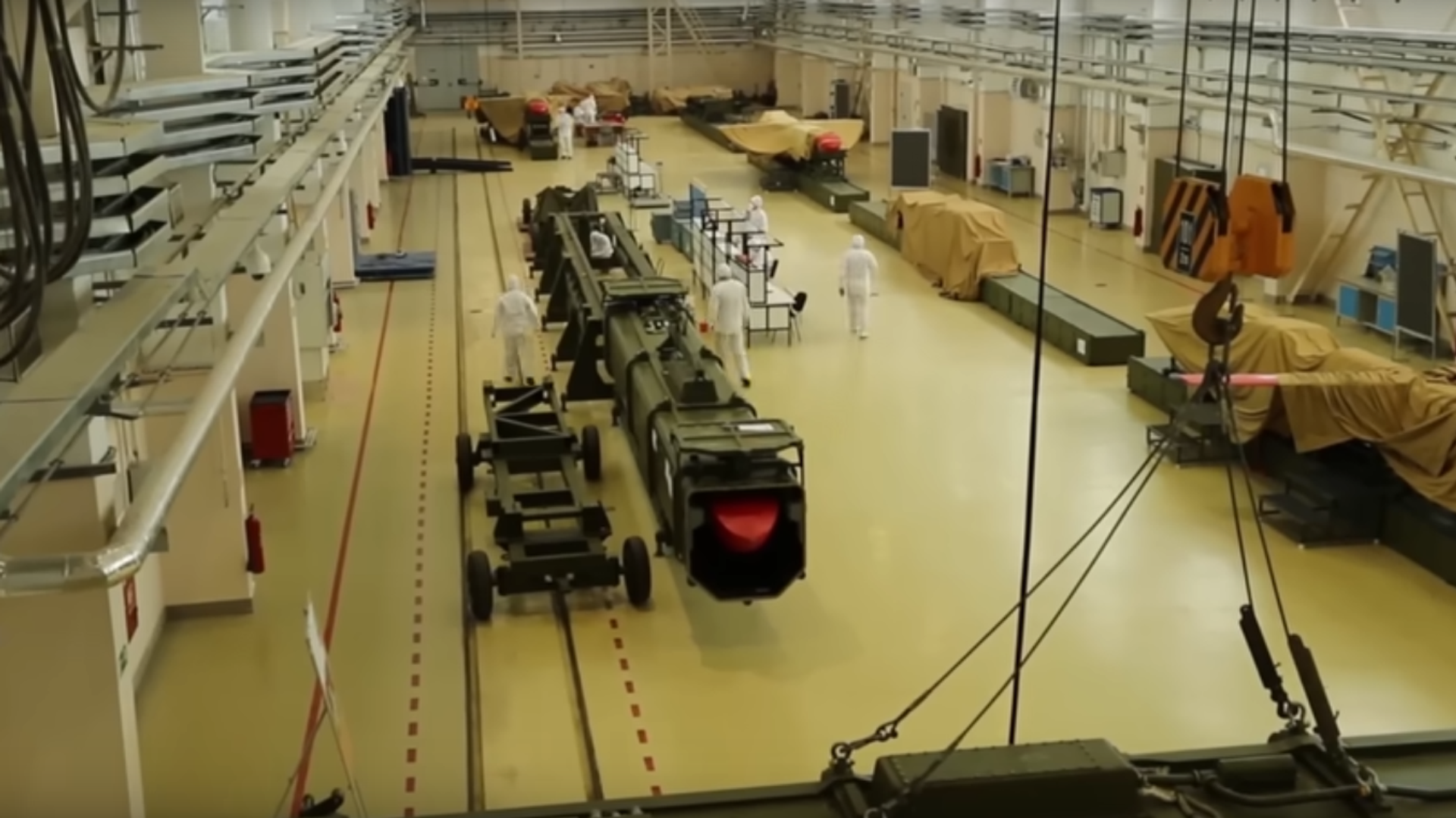
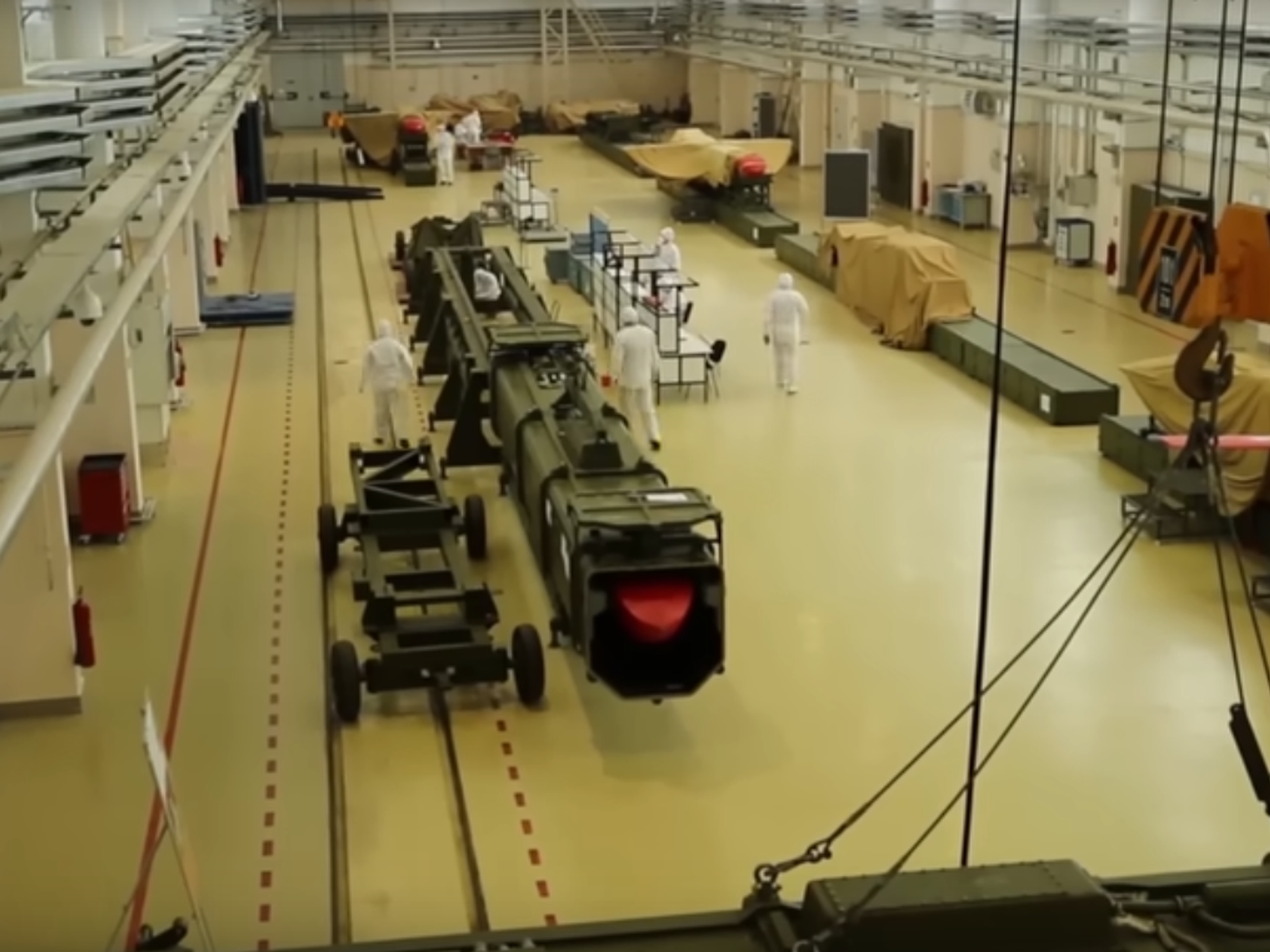
The defining feature of the 9M730 Burevestnik (Russian ‘Storm petrel’, NATO reporting name SSC-X-9 Skyfall) is its nuclear propulsion system. Its small onboard nuclear reactor gives it effectively an unlimited range.
the capability to loiter in the air for days on end
the ability to circumnavigate the entire globe, if necessary, to reach its target
the capacity to evade concentrated defenses, and strike from unexpected attack vectors
Since it’s a cruise missile, the Burevestnik can hug the ground on approach at altitudes below enemy radar’s ability to detect, making interception challenging if not impossible.
That’s because no traditional ballistic flight trajectory and no range limits means there’s no point where defenses can be deployed en masse to stop it.
26 October 2025, 06:20 GMT
First unveiled by President Putin in 2018, the Burevestnik’s development began in the early 2000s in reaction to the US pullout from the 1972 Anti-Ballistic Missile Treaty, and Pentagon efforts to ring Russia with missile defense systems (Aegis, Aegis Ashore, including in Poland and Romania).
The Burevestnik and other groundbreaking strategic Russian systems like it (Avangard HGV, Zircon naval hypersonic missile, Kinzhal air-launched missile, Poseidon unmanned submarine, Sarmat heavy ICBM) guarantee Russia’s ability to respond to aggression, even in an enemy decapitation strike scenario (like US Conventional Prompt Strike/Prompt Global Strike).

2 October 2025, 18:59 GMT